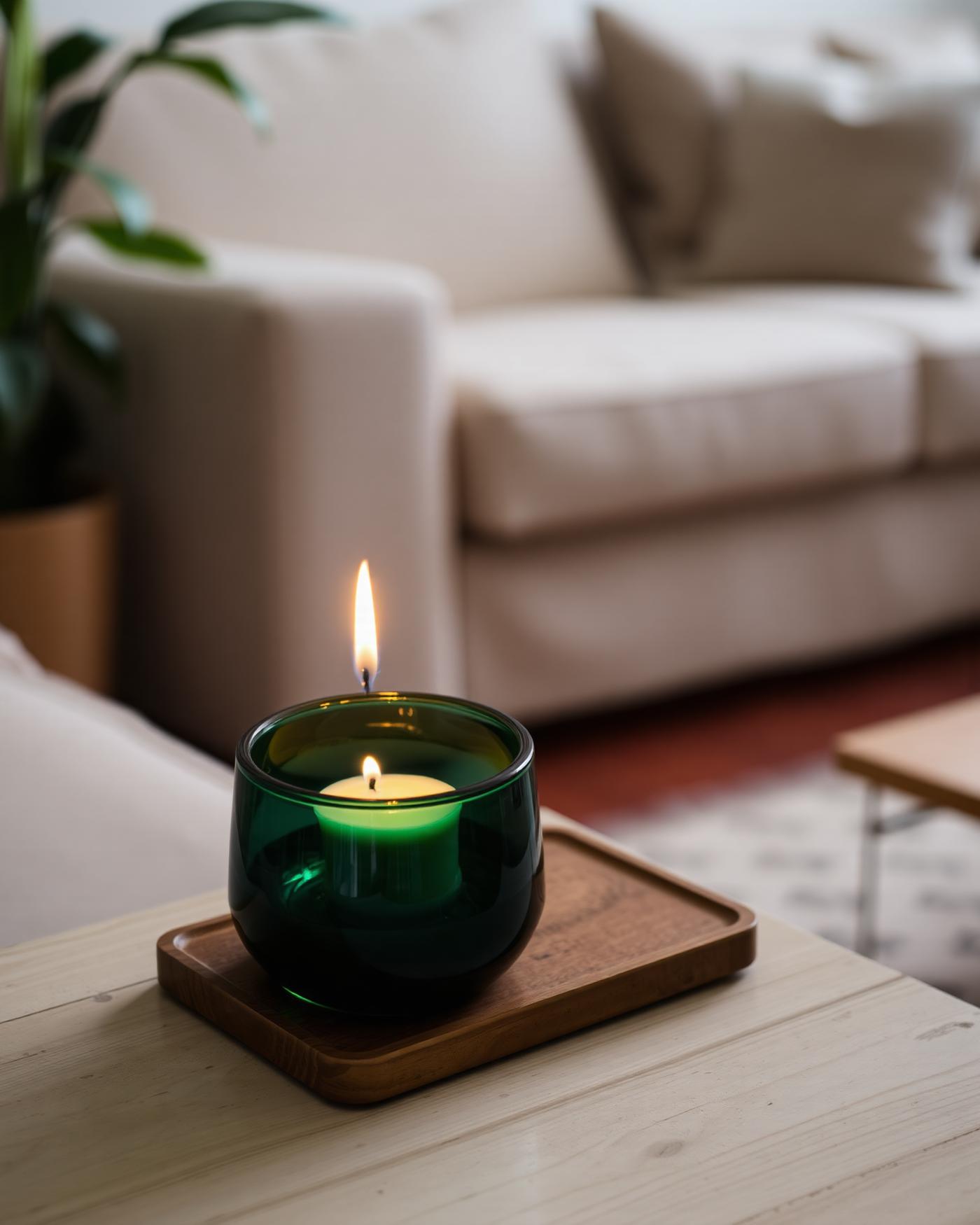
How to care for a soy candle (and double its life)
Three small habits — trim the wick, burn the full pool, store cool — that turn a 50-hour candle into a 70-hour one.
Craft
A short, honest explanation of the wax differences — and why we made the switch in 2018 even though it cost us margin.
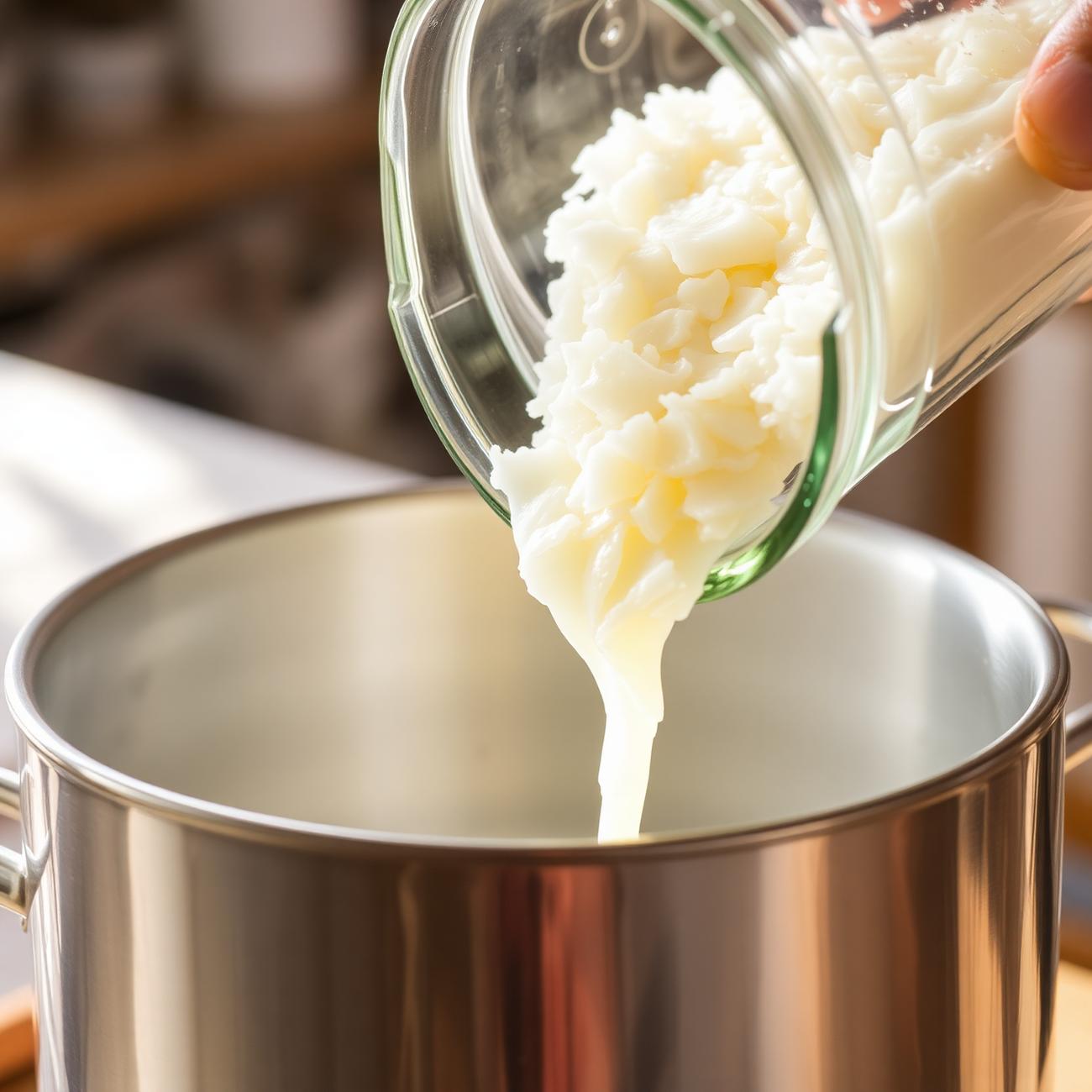
Most candles on a grocery store shelf are paraffin. Paraffin is cheap, easy to work with, throws scent loudly, and is a byproduct of crude oil refining. That last part was a deal-breaker for us.
Soy wax is hydrogenated soybean oil — basically a vegetable wax. It's grown on farms in the American Midwest. When it burns, it produces a tiny fraction of the soot that paraffin does, and it doesn't release the same combustion byproducts that can give people headaches.
Soy is harder to work with. It's softer, so it scratches easier in the jar. It has a lower melt point, so the throw can feel more subtle. And it's about 40% more expensive per pound than paraffin.
But it burns about 30% slower. So a soy candle that's labeled "50 hours" really does last 50 hours. We think that's a fair trade.
100% American-grown soy wax (Golden Brands 464, if you're a candle nerd), pre-tabbed cotton wicks from a small Wisconsin supplier, and IFRA-certified phthalate-free fragrance oils blended in-house. That's it. No additives, no UV stabilizers, no dye unless we say so on the label.
Simple recipes are easier to trust.
Three small habits — trim the wick, burn the full pool, store cool — that turn a 50-hour candle into a 70-hour one.
A short, honest explanation of the difference between soy and paraffin wax — and why we made the switch in 2018.

How to combine a candle, a diffuser, and a room spray without giving everyone a headache. Plus three of our favorite combinations.